

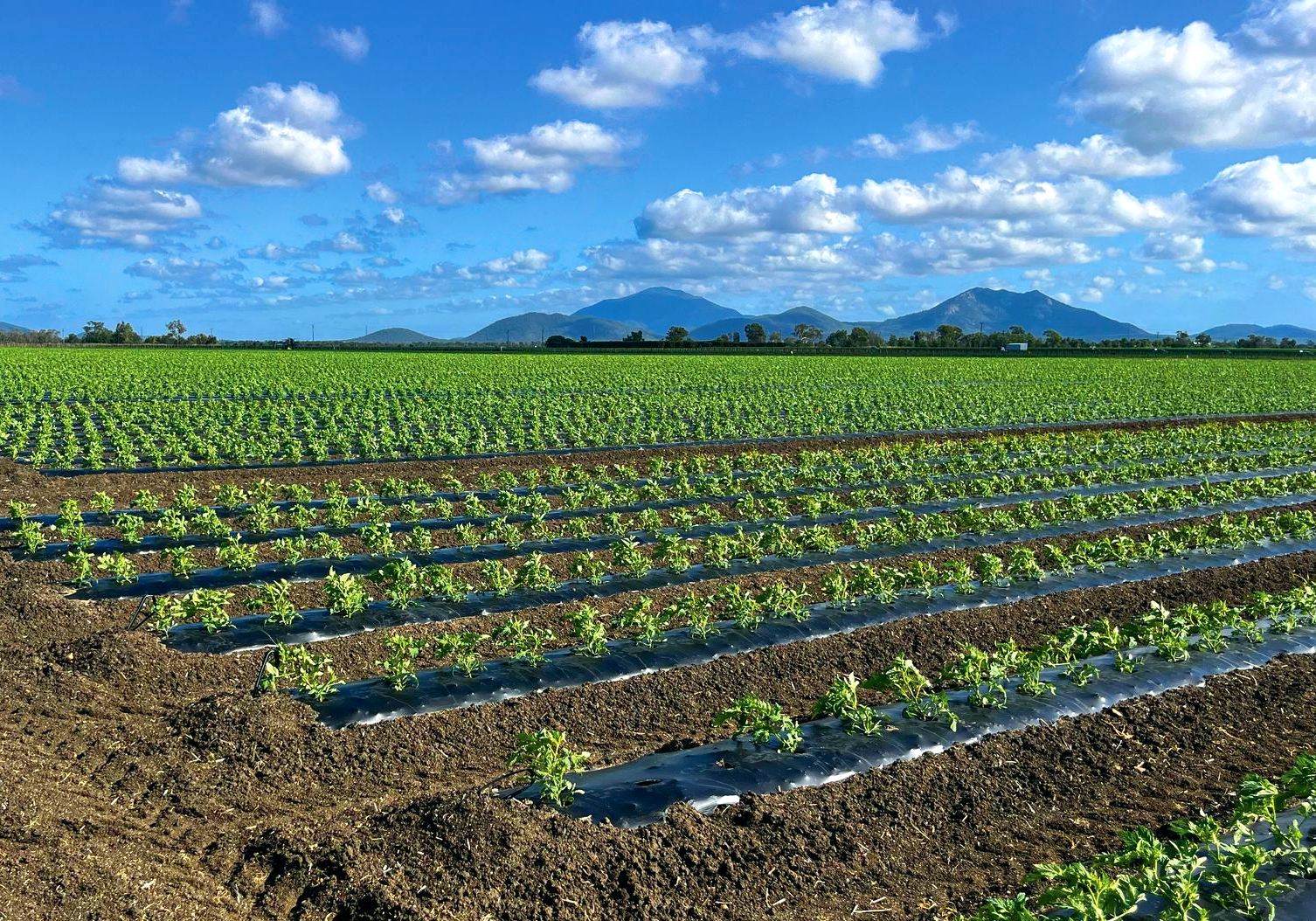
Walk through any horticulture region in Australia right now — from the tomato farms of Bowen to the pineapple fields of Mareeba — and you'll notice something changing. The black plastic that's lined crop rows for decades is starting to disappear. In its place: a film that looks the same, performs the same, but leaves behind zero waste. Compostable mulch film isn't a niche experiment anymore. Growers who've made the switch are reporting better soil structure, fewer end-of-season headaches, and crop yields that match or exceed what they were getting with conventional plastic. Here's why the shift is happening and why it's happening fast.
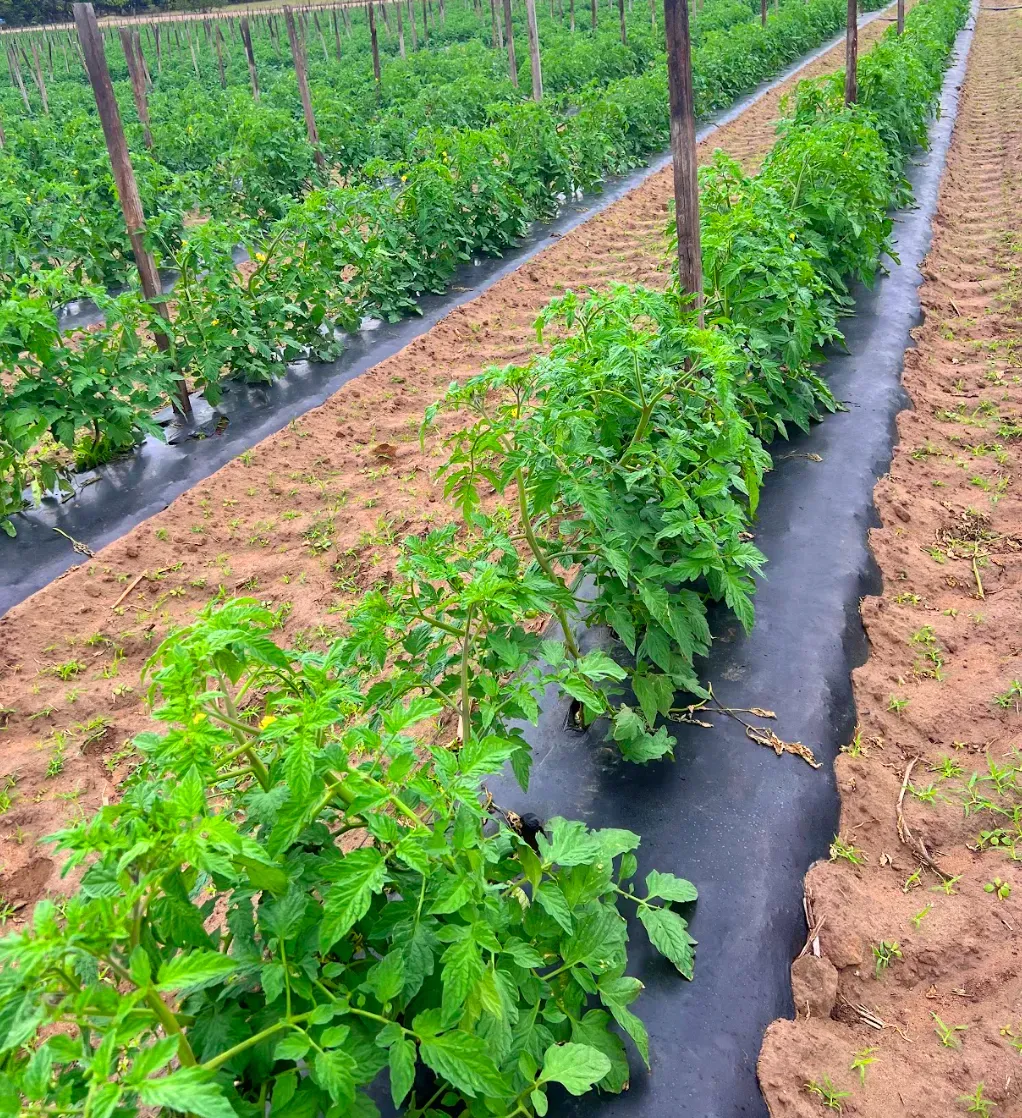
Let’s acknowledge it: early products burned trust. If you trialled early “biodegradable” films, you might have seen premature breakdown, weak spots, or season-to-season variability. Those experiences matter. They’re exactly why Teramax exists.
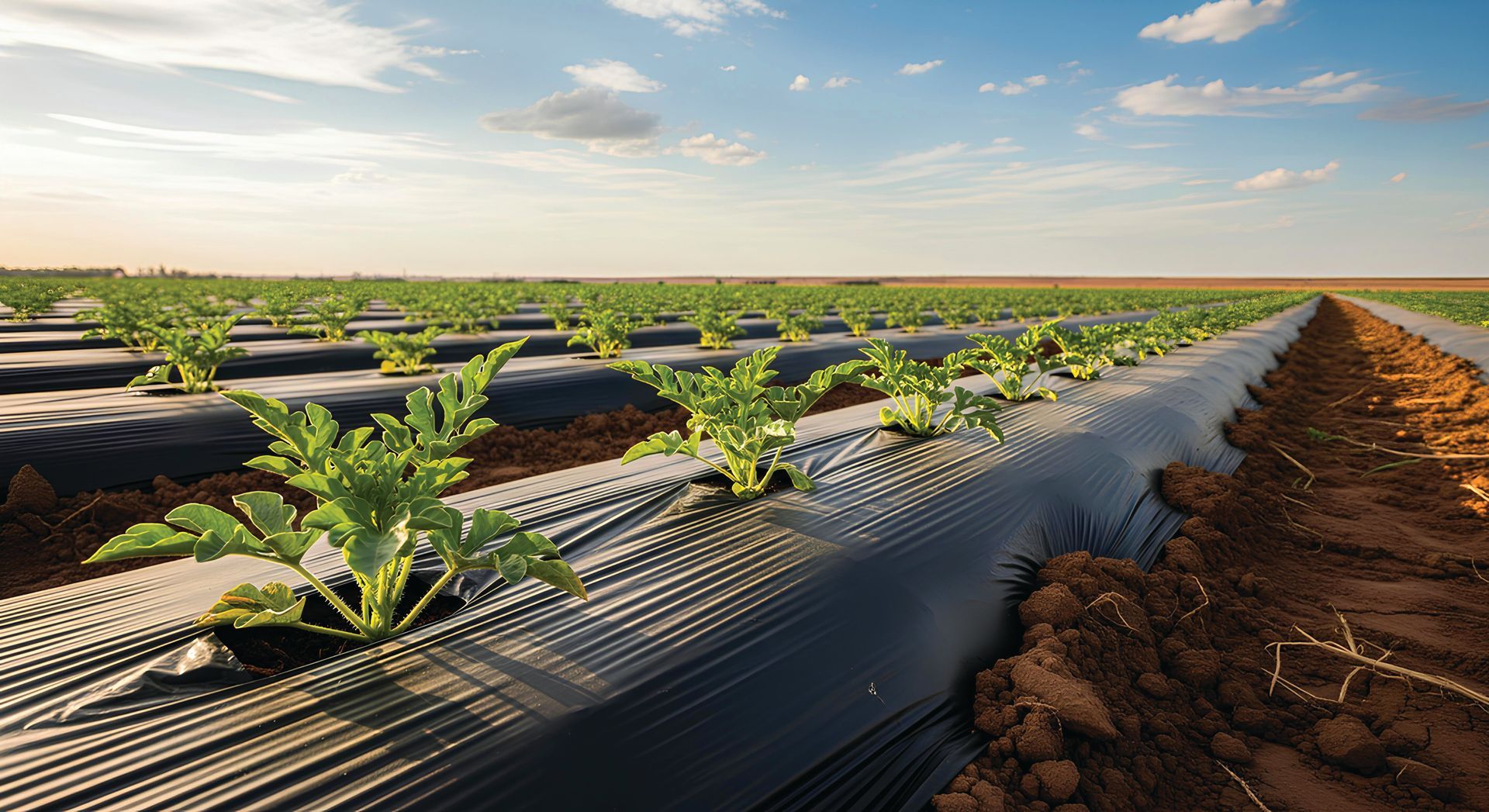
End-of-season clean-up doesn’t have to mean hours spent collecting and transporting waste. With Teramax certified compostable mulch film, growers can finish the season simply disc it in and keep moving. Designed to stay stable throughout the crop cycle, Teramax mulch film naturally transitions to a brittle state when it’s time to incorporate. Once disced in, it breaks down into carbon, biomass, and water, leaving soil ready to prep for the next round.
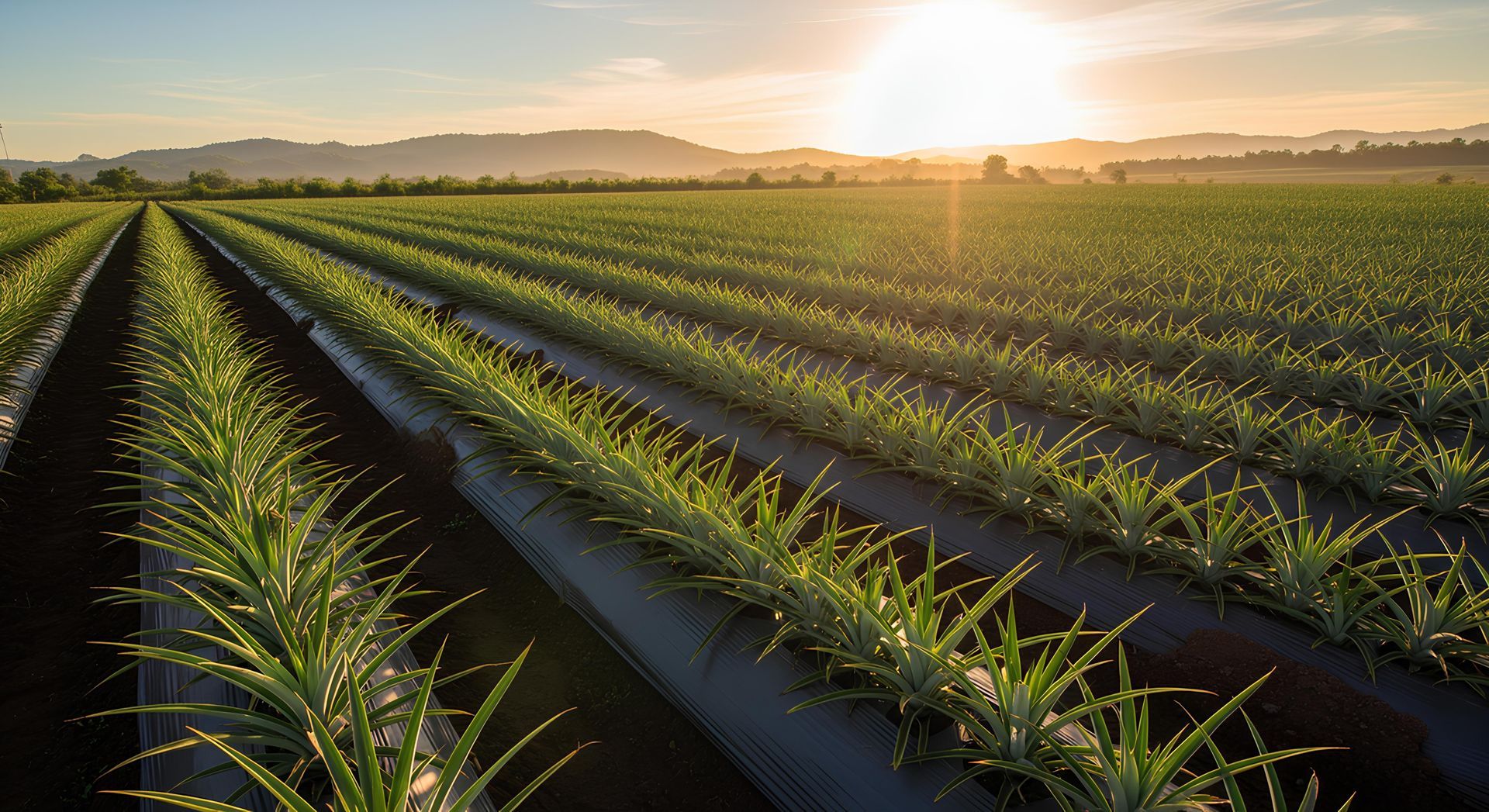
For many growers, mulch films have been a mixed experience. Early biodegradable options didn’t always perform as expected, leaving behind doubts about whether compostable mulch film could really work. Teramax wants change that conversation — with a clear focus on agriculture and a proven product designed specifically for farmers.