What Makes a Mulch Film Compostable?
Not all "green" mulch films are created equal. A genuine compostable mulch film like Teramax carries independent certification that proves it breaks down completely under real on-farm conditions. Teramax is certified OK compost HOME by TÜV Austria, the world's leading certifying body for biodegradable products. That means it passes the same rigourous toxicity and seedling growth tests (OECD207 and OECD208) that give growers confidence it won't harm their soil.
Unlike oxo-degradable or "degradable" films which simply fragment into microplastics, a certified compostable film decomposes into water, CO₂, and biomass through the action of UV, moisture, soil enzymes, and pH. No chemical residue, no microplastics, no waste to collect at end of season.
The Real Cost of Traditional Plastic Mulch
Plastic mulch isn't just an environmental problem, it's a labour and logistics problem. After harvest, plastic mulch needs to be pulled up, collected, transported, and disposed of. In many regional areas, disposal options are limited. Landfill fees add up. Burning is restricted. The result: plastic sitting in piles on-farm, or worse, breaking down into the soil.
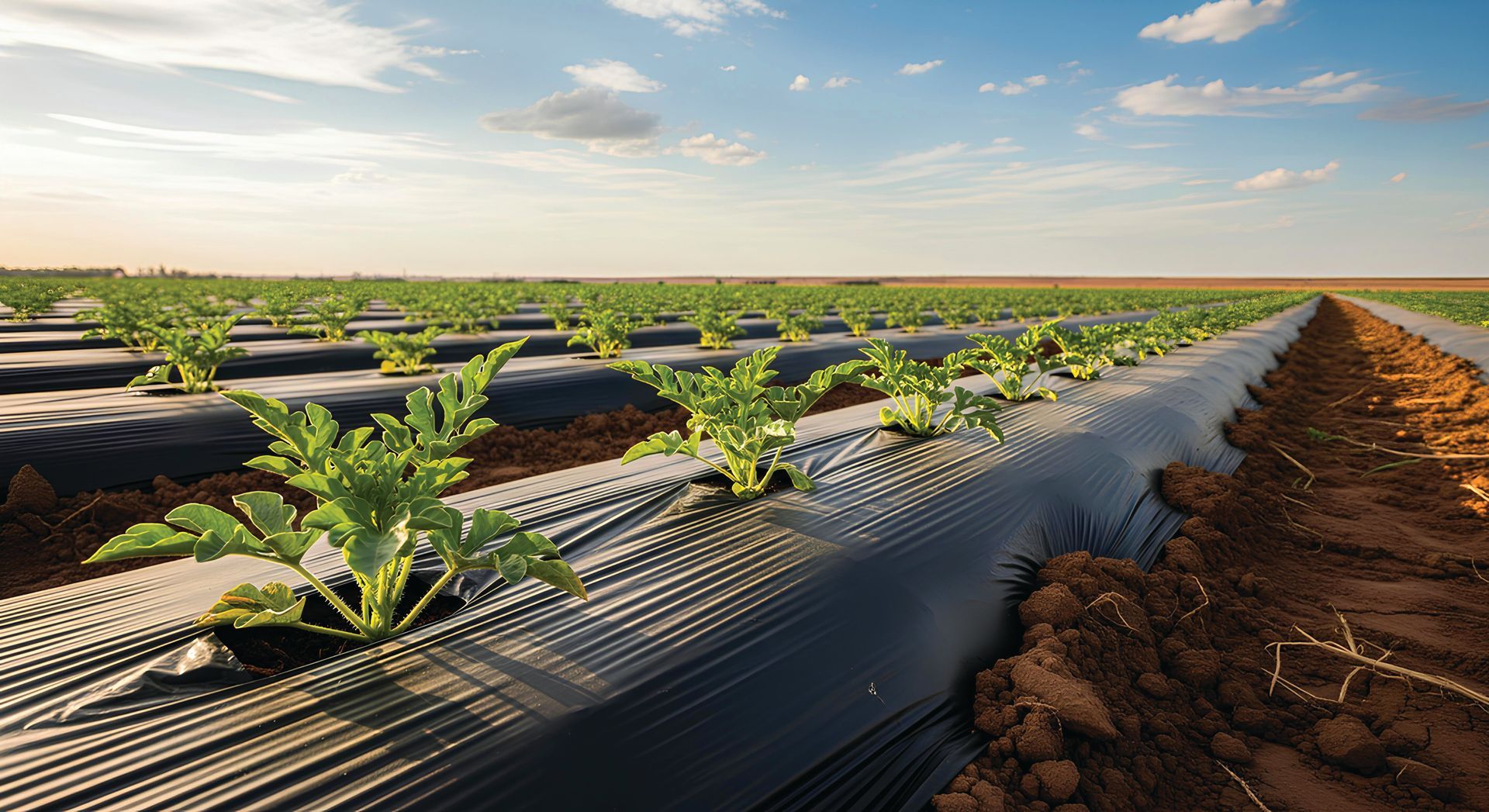
Compostable mulch eliminates that entire end-of-season process. It's laid once and left in the ground. It breaks down naturally between crops. For a grower running 50 hectares under plastic, that's thousands of kilograms of waste they no longer need to handle.
Built for Australian Conditions
Australia isn't Europe. Our UV is harsher, our summers are longer, and our soil types vary wildly from region to region. That's why Teramax doesn't offer a one-size-fits-all product. Teramax custom-manufactures compostable film in a range of thicknesses matched to your region's soil type, climate, and crop rotation cycle.
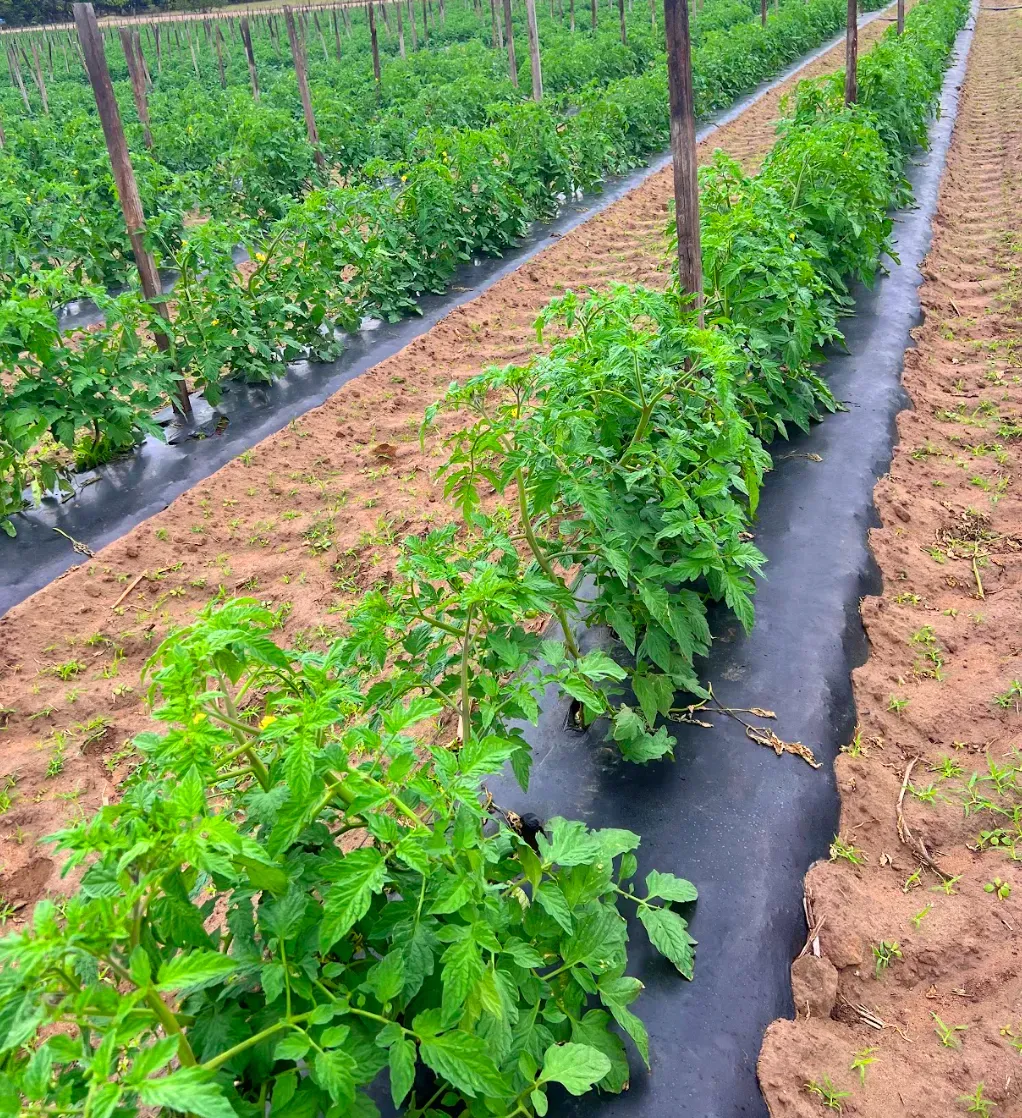
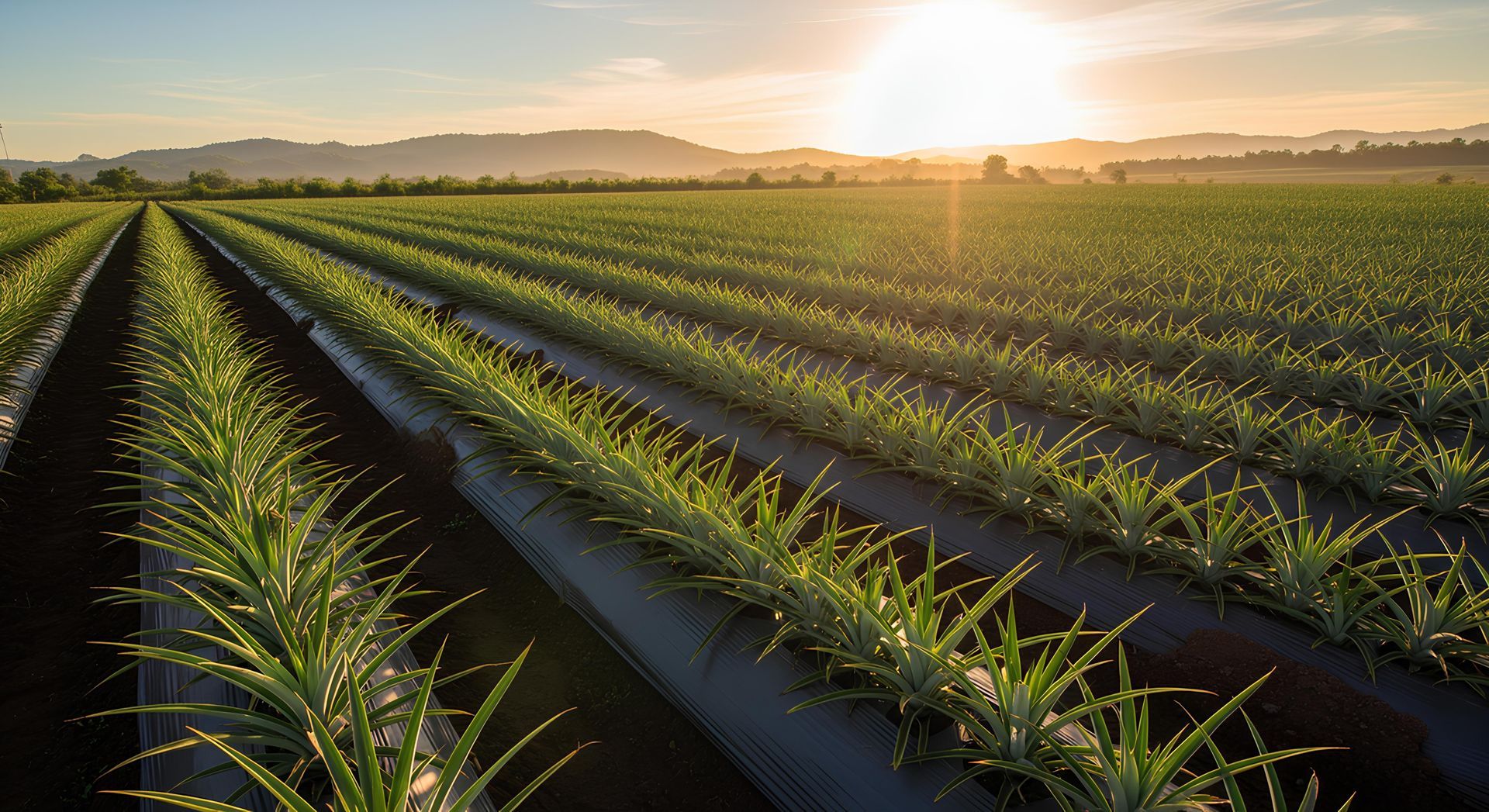
A film designed for a tomato grower in Bundaberg won't be the same as one for a pineapple operation in North Queensland. The decomposition rate needs to align with your growing season: not too fast that it exposes weeds mid-cycle, not too slow that it leaves residue before the next planting. Getting that balance right is where local knowledge and custom manufacturing come in.
What Growers Are Seeing in the Field
The results are consistent across crops and regions:
- Weed suppression comparable to conventional plastic with no extra herbicide passes needed
- Soil moisture retention that reduces irrigation demand during dry spells
- Warmer soil temperatures at planting, driving faster early growth and root development
- Zero removal costs at end of season, the film composts in place
For growers tracking their input costs, that last point is often the deciding factor. The film itself is cost-competitive with premium plastic mulch and when you factor in the avoided labour, transport, and disposal costs, the economics tip decisively in favour of compostable.
Plan ahead
With demand increasing year on year, Teramax is now taking orders for the upcoming season. Custom film specifications take time to manufacture and ship, especially for growers who need specific thicknesses or widths matched to their equipment and crop plans.
Peak season demand and a 10–12 week lead time mean forward orders are the safest path.
Chat with our team about timing, widths and bed layouts today!